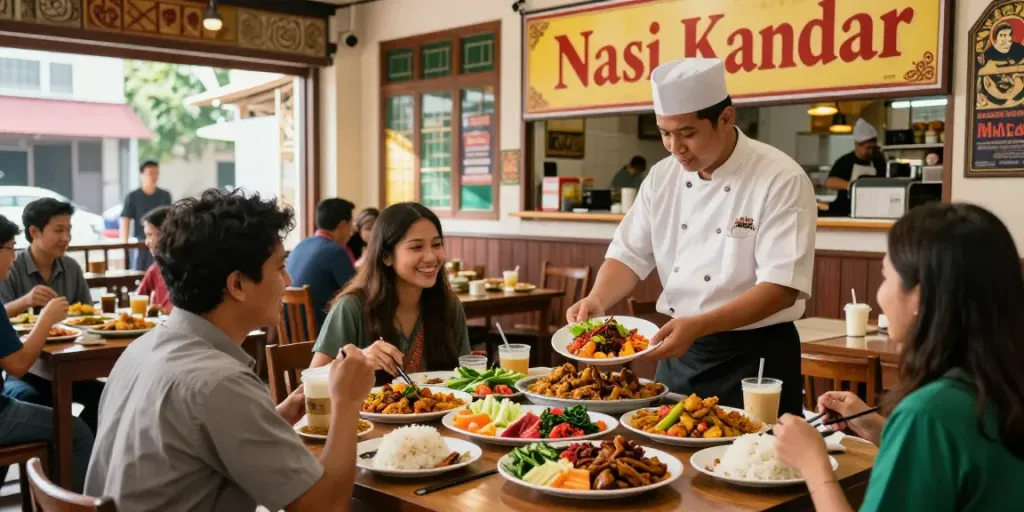
The Tradition of Nasi Kandar: Understanding Its Significance
Nasi Kandar is more than just a meal; it is a vibrant representation of the cultural fusion that thrives in Malaysia, particularly in Penang. This dish symbolizes the historical and social integration of various communities over the centuries, especially through its unique serving style and rich flavors. As you delve into the world of Nasi Kandar, you will find that each plate tells a story rooted in the hands of the chefs who prepare it. For those looking to explore the legacy and experience the indulgence of this culinary delight, visiting rokok88 login may provide insights into where to find the best offerings.
What is Nasi Kandar?
Nasi Kandar is a traditional Malaysian dish that consists of steamed rice served with a variety of curry-based side dishes. Originating from the Indian Muslim community, it is characterized by its rich and complex flavors, which arise from a variety of spices blended into the curries. The term "Kandar" itself means to carry a load, referring to the way the dish was traditionally served—with baskets of rice and dishes carried on a pole over the shoulders.
The Historical Roots of Nasi Kandar in Penang
The origins of Nasi Kandar can be traced back to the 19th century in Penang, which was a bustling port town attracting traders and workers from different regions. As the demand for hearty and quick meals among laborers grew, the Indian Muslim traders began to sell simple yet filling rice dishes. Over time, they improved their offerings with various meats and curries, creating a menu that would satisfy the physical demands of hard labor. This historical backdrop is essential to understanding why Nasi Kandar remains a favorite among not just locals, but also tourists who wish to experience Malaysian culture through its food.
How Nasi Kandar Evolved Over Time
From its humble beginnings as a laborer's meal, Nasi Kandar has evolved into a culinary icon in Malaysia. While the traditional offerings were quite basic, the modern iteration boasts a plethora of choices, from fried chicken to seafood, and an array of curries that reflect Malaysia's multicultural society. With each restaurant offering its own unique twist, the variety of flavors has become a hallmark of Nasi Kandar, allowing for a unique dining experience each time.
Choosing the Right Components for Your Nasi Kandar
When crafting your perfect plate of Nasi Kandar, every component matters. The choice of rice, proteins, and curries can dramatically affect the overall taste and enjoyment of the meal. Understanding how to select these components will enhance your experience. Here are essential tips:
Selecting the Perfect Rice Base
The rice is fundamental to Nasi Kandar, and you generally have two primary options: steamed white rice or fragrant biryani rice. The latter, often enhanced with herbs and spices, adds an extra dimension of flavor. Depending on your preference for subtlety versus pronounced taste, you can select accordingly. The key is to choose rice that complements the richness of the curries.
Top Six Must-Try Proteins for Nasi Kandar
- Ayam Goreng Berempah: Aromatic fried chicken marinated with spices.
- Sotong Sambal: Tender squid cooked in a spicy sambal sauce.
- Udang Masak Lemak: Prawns simmered in coconut milk with a hint of tanginess.
- Terung Berlada: Fried eggplant drenched in a spicy chili sauce.
- Ikan Kembung Goreng: Crispy fried mackerel served with a side of sambal.
- Kari Kambing: Tender lamb slow-cooked in a rich and aromatic curry.
Understanding the Importance of Curry Combination
The hallmark of Nasi Kandar lies in the skillful mixing of curries. Unlike traditional rice dishes where you may have just one sauce, Nasi Kandar allows multiple curries to be poured over the rice, creating a symphony of flavors. Popular combinations include pairing spicy fish curry with a creamy coconut-based sauce. Experimenting with various curry mixtures is part of the enjoyment and essence of Nasi Kandar.
The Nasi Kandar Ritual: Step-by-Step Guide
Constructing the ideal plate of Nasi Kandar is a ritual that can enhance the overall experience. Here’s how to navigate this process effectively.
How to Build Your Ideal Plate
Start with a generous scoop of your chosen rice base, ensuring it covers the bottom of the plate. Next, select your proteins and position them artistically atop the rice. Finally, choose the curries to pour over your creation. It’s recommended to start with lighter, fragrant curries before moving to richer, heavier ones to maintain a balanced taste.
Mixing Curries: Finding the Right Balance
For a well-rounded experience, mix curries in a way that complements each other. For example, the heat from a spicy chicken curry can be nicely offset by the creaminess of a coconut-based fish curry. When pouring the curries, be generous; the goal is to completely cover the rice, resulting in that signature "banjir" (flood) style.
Common Mistakes to Avoid When Ordering
Many newcomers to Nasi Kandar make the error of underestimating portion sizes. It’s easy to overlook how filling the dish can be, especially with the combination of rice and multiple curries. Additionally, avoid limiting yourself to just one or two curry choices; part of the fun is in experimenting with different flavors.
The Culinary Techniques Behind Authentic Nasi Kandar
The preparation of Nasi Kandar involves meticulous culinary techniques that contribute to its unique taste. Understanding these methods can help you appreciate the dish even more.
Ingredients That Make a Difference
The spices and herbs used in Nasi Kandar are pivotal. Traditional recipes often include a mix of turmeric, cumin, coriander, and chili, among others. The combination of fresh ingredients and the right proportions create depth in flavor that sets authentic Nasi Kandar apart from lesser versions.
Cooking Methods for Optimal Flavor
Cooking techniques, such as slow braising or frying, are commonly applied in the preparation of Nasi Kandar dishes. For instance, meats are often marinated for hours to allow the spices to penetrate, resulting in tender, flavorful bites. This attention to detail is what leads to the dish’s rich profile.
Expert Tips for Home-Cooked Nasi Kandar
If you're aspiring to recreate the magic of Nasi Kandar at home, start with good-quality ingredients. Invest in spices and practice patience; the depth of flavor in your curry will drastically improve with time. Don’t shy away from experimenting with your own combinations of spices, as this can lead to exciting new versions of this beloved dish.
Current Trends in Nasi Kandar for 2026
The culinary landscape is continuously evolving, and Nasi Kandar is no exception. Staying updated on current trends can enhance your appreciation for this traditional meal.
Innovations in Ingredients and Flavors
In recent years, many restaurants are exploring contemporary variations of Nasi Kandar, incorporating modern twists by introducing fusion ingredients. For instance, some chefs experiment with plant-based proteins or gluten-free options, appealing to a broader audience while maintaining traditional elements.
Sustainability Practices in Nasi Kandar Restaurants
Sustainable practices are becoming increasingly important in the food industry, and many Nasi Kandar establishments are following suit. Sourcing local ingredients and reducing food waste are just some of the ways restaurants are adapting to meet consumer demands for environmental responsibility.
How Digital Apps are Changing the Dining Experience
With the rise of technology, ordering Nasi Kandar has become more convenient than ever. Digital platforms allow customers to customize their orders from the comfort of their homes, often featuring detailed ingredient lists. This shift not only increases accessibility but also enhances the overall dining experience.
What are the best sides to pair with Nasi Kandar?
When enjoying Nasi Kandar, consider complementing your meal with sides such as Roti Canai or a simple cucumber salad. These additions can balance the richness of the curries and provide texture.
How to make Nasi Kandar at home?
Recreating Nasi Kandar at home involves selecting quality ingredients, mastering marinade techniques, and understanding the art of combining flavors. Follow authentic recipes and don’t hesitate to add your personal touch.
Why is Nasi Kandar popular among tourists?
The popularity of Nasi Kandar among tourists can be attributed to its rich flavors, unique serving style, and cultural significance. It offers visitors an authentic taste of Malaysia's diverse culinary heritage.
What are the health considerations for Nasi Kandar?
While Nasi Kandar is undoubtedly delicious, it often contains high calorie counts due to the generous use of oils and rich ingredients. It’s important to enjoy this dish in moderation and consider healthier options or smaller portions when indulging.
Where can I find the best Nasi Kandar near me?
With Nasi Kandar restaurants spread across Malaysia, locating a popular spot can sometimes be overwhelming. Online reviews and local recommendations can guide you to the best places that offer authentic experiences and flavors.